Why Illegal Marijuana Still Thrives in Miami Beach

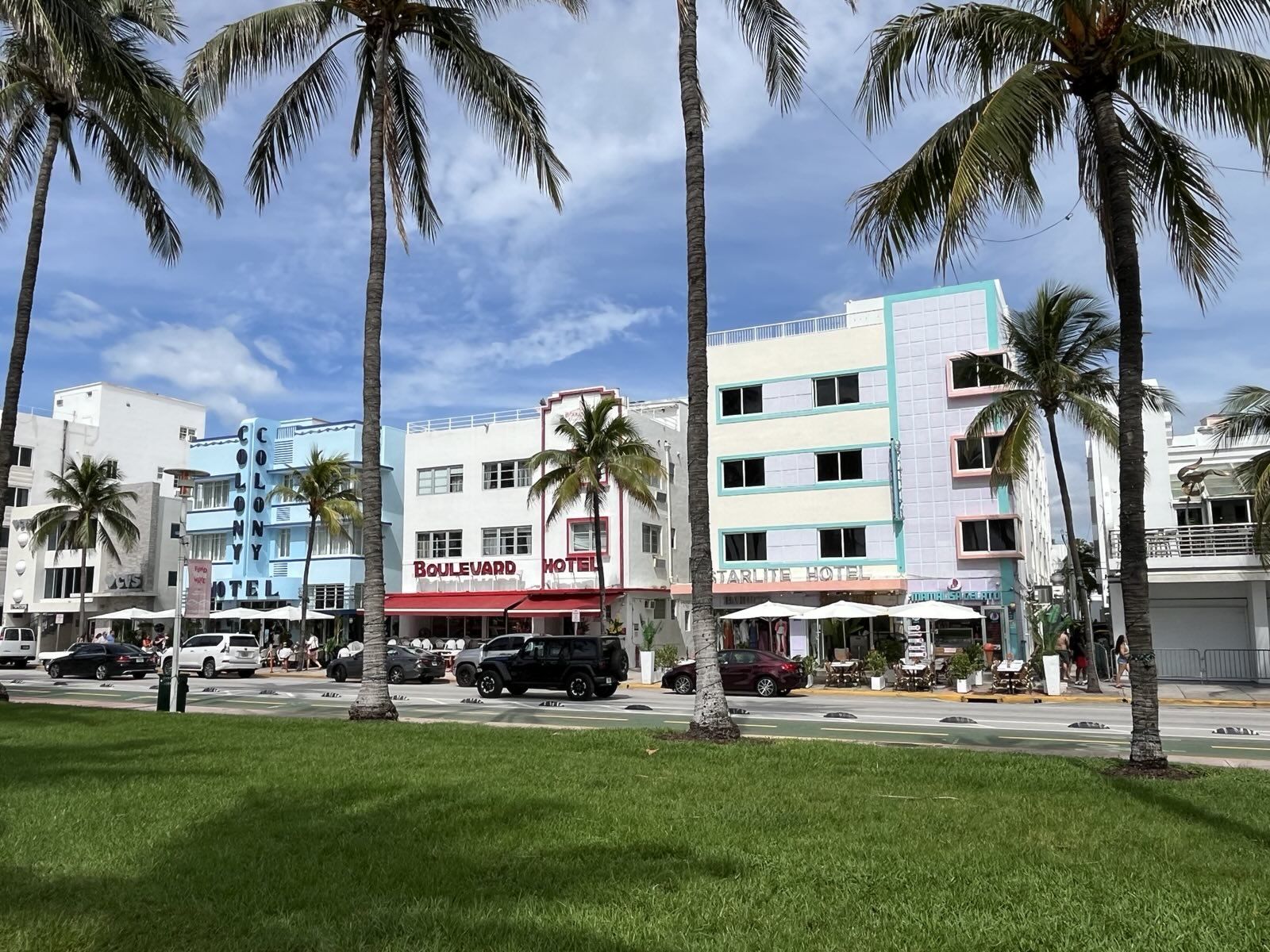
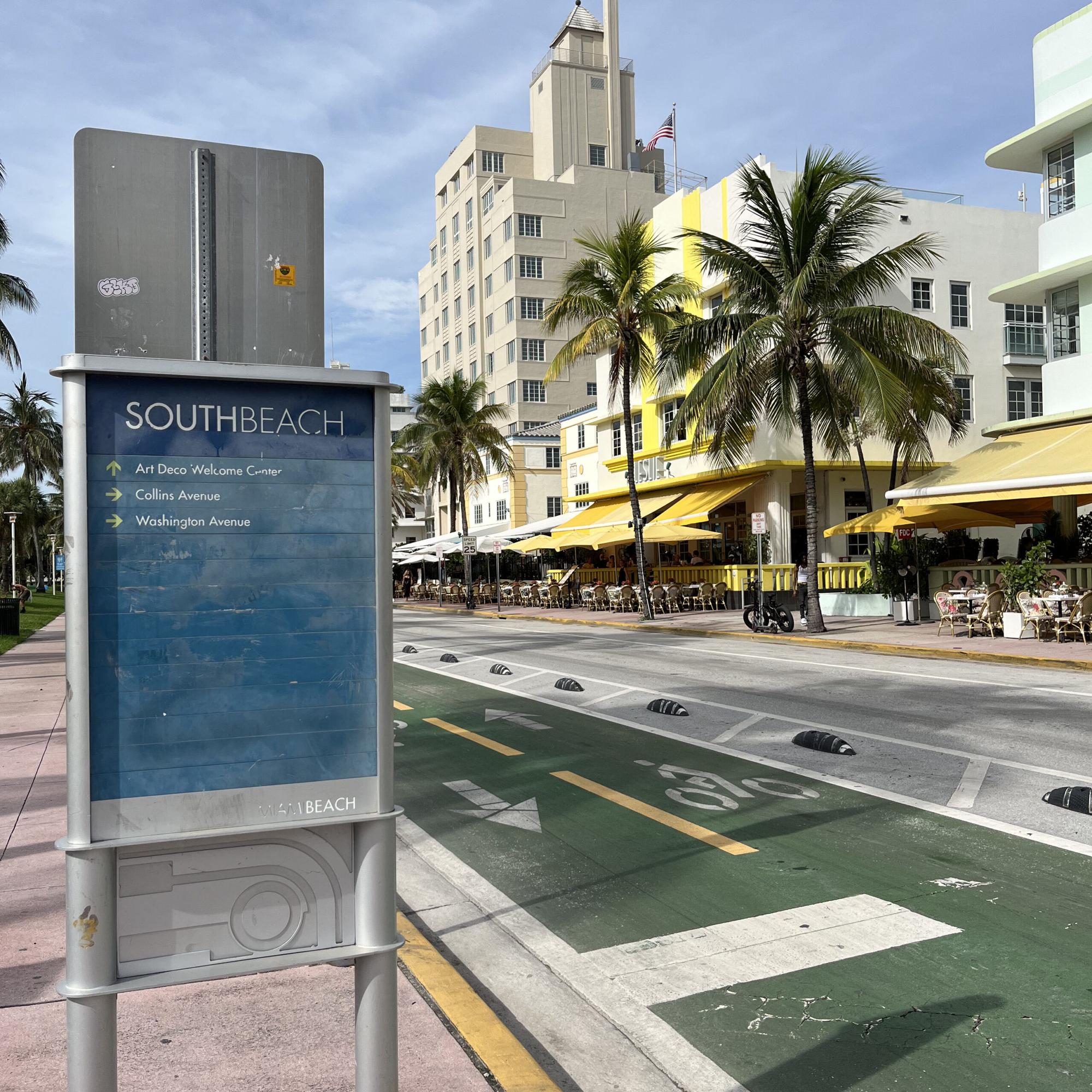
On most nights along Ocean Drive, the pitch comes fast and casual—muttered offers on the sidewalk, a hand gesture, a “you good?” from someone who seems to know exactly who’s visiting and who isn’t. The illegal marijuana trade in Miami Beach doesn’t always look like a traditional drug market. It often blends into nightlife: tourists bar-hopping, rideshares double-parking, security lights spilling across the Art Deco facades. But law enforcement and public safety officials say the consequences can be very real—because the street-level cannabis economy often travels with larger problems.

Miami Beach police have repeatedly described “open-air” dealing in the Ocean Drive corridor, especially during peak tourism surges, where cannabis is sold alongside or in proximity to other illicit drugs. In one South Beach enforcement operation highlighted by local media, authorities reported dozens of arrests and the seizure of marijuana, cocaine, cash, and firearms—an illustration, police argue, of how street markets can become multiproduct, opportunistic, and sometimes armed.

The persistence of illegal marijuana in Miami Beach is fueled by a simple mismatch: demand is high, but legal access is narrow. Florida allows medical marijuana, not general adult-use sales, and tourists who can buy legally back home often arrive assuming the same rules apply on Ocean Drive. That confusion becomes a business model for street sellers—especially in nightlife zones where visitors are distracted, unfamiliar with local law, and unlikely to stick around long enough to testify if something goes wrong.

Then there’s the quality and safety question. Public health officials and federal agencies have warned broadly that illicit drug markets are increasingly unpredictable, shaped by trafficking networks and cross-contamination risks that don’t respect product categories. While marijuana itself is not typically the headline in overdose data, the wider illicit supply chain—and the policing resources required to address it—keeps cannabis in the same enforcement conversation as higher-risk substances. National threat assessments have described how transnational and domestic networks adapt quickly to demand, using diverse distribution channels and opportunistic retail-style tactics.

A second front is the gray area between “hemp” and “marijuana”—the storefront ecosystem of smoke shops and convenience retailers selling intoxicating hemp-derived products. Those products can be legal or illegal depending on how they’re made, labeled, and tested, and they can be difficult for consumers (and sometimes officers) to distinguish at a glance. Recent South Florida raids and seizures at smoke shops—often covered as “illegal cannabis” cases—underscore how enforcement has expanded beyond street deals into retail-adjacent spaces where the line between compliant and contraband can blur.

For Miami Beach, the challenge is endurance. Ocean Drive is a global brand built on tourism, and any street market—cannabis included—thrives on crowds. The result is a recurring cycle: enforcement spikes, arrests follow, and the sellers return when the next wave of visitors arrives. The black market isn’t winning because it’s sophisticated. It’s winning because it’s convenient—one more hustle in a place designed to keep people moving, spending, and saying yes.