
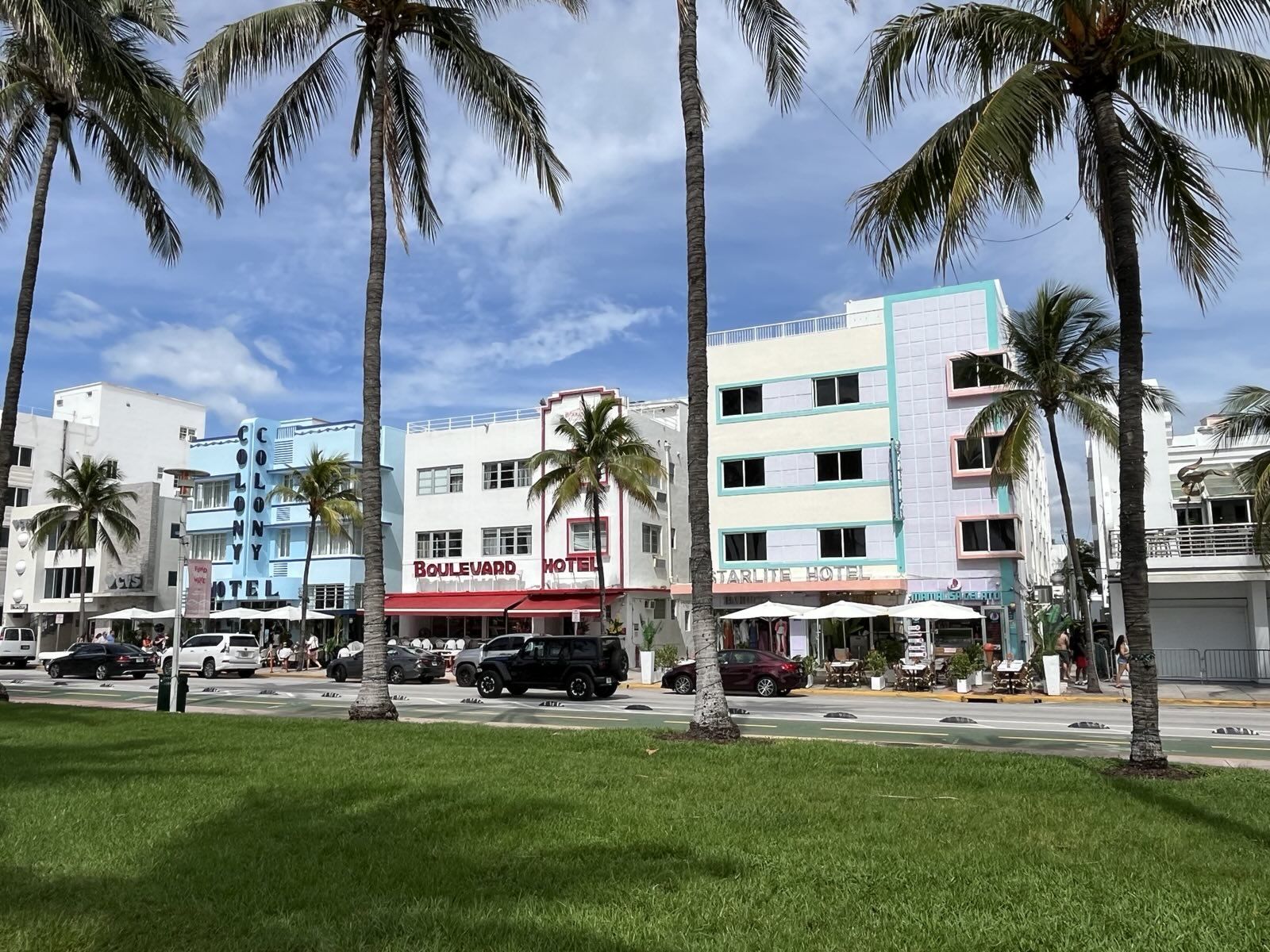
As Florida edges closer to another pivotal election cycle, 2026 is shaping up to be a defining year for cannabis reform in South Florida, with Miami Beach standing at the center of the conversation. Long known for its progressive social attitudes, international tourism, and nightlife economy, Miami Beach is increasingly being viewed as a test case for how cannabis reform could coexist with public safety, hospitality, and quality-of-life concerns.
Following the defeat of Florida’s 2024 adult-use ballot initiative, reform advocates regrouped rather than retreated. By late 2025, new signature-gathering efforts and revised ballot language signaled that cannabis legalization—whether recreational or expanded medical—remains very much alive. For Miami Beach and surrounding coastal communities, the stakes are especially high. The region attracts millions of visitors annually, many from states and countries where cannabis is already legal and normalized.
In 2026, policymakers in South Florida are expected to confront growing pressure from both residents and the tourism sector. Hotel operators, nightlife businesses, and event organizers increasingly acknowledge that cannabis is part of modern travel culture—even if consumption remains legally restricted. While public smoking is still prohibited, conversations around designated consumption spaces, private clubs, and clearer enforcement guidelines are quietly gaining traction.
Medical marijuana will also continue to evolve. Industry observers expect renewed discussions around expanding qualifying conditions, easing access for seasonal residents, and improving patient education. In Miami Beach, where older residents live alongside younger professionals and international visitors, medical cannabis is no longer viewed as fringe healthcare—it is part of mainstream wellness discussions.
Local governments may also push for more autonomy in 2026. South Florida municipalities have long argued that one-size-fits-all cannabis policy does not reflect the region’s density, tourism footprint, or policing realities. Miami Beach officials, in particular, are likely to advocate for clearer local enforcement authority, especially as it relates to odor complaints, beach consumption, and short-term rentals.
Economics will remain a driving force. Even without full adult-use legalization, cannabis already contributes to job creation, real estate development, and ancillary businesses across South Florida. Reform supporters argue that regulated expansion could unlock new tax revenue streams—funding infrastructure, public safety, and community services—while reducing the burden on courts and law enforcement.
At the same time, opposition voices remain influential. Some neighborhood groups and civic leaders worry that broader cannabis access could conflict with Miami Beach’s family-friendly branding or exacerbate quality-of-life issues. In 2026, the reform debate is likely to focus less on whether cannabis should exist and more on how it should be responsibly managed.
For South Florida and Miami Beach, 2026 will not simply be about legalization versus prohibition. It will be about modernization—balancing tourism, health, personal freedom, and community standards in a region that has always been ahead of cultural trends. Whatever direction voters and lawmakers choose, cannabis reform is no longer a question of “if,” but “how soon” and “under what rules.”