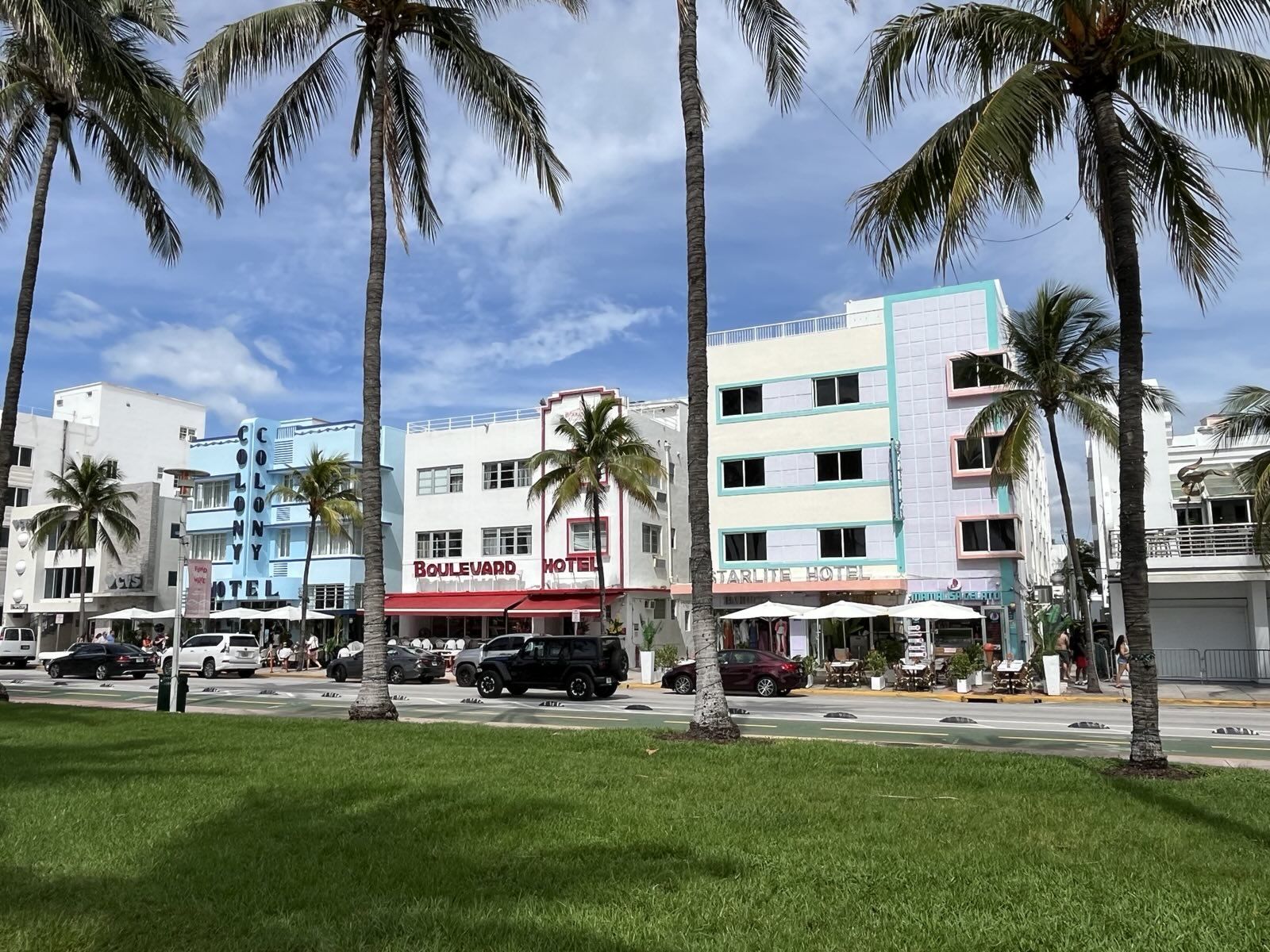
Along Ocean Drive and throughout Miami Beach, “hemp,” “CBD,” and “THC alternative” products are commonly sold through hemp retailers and smoke shops—but they operate under a fundamentally different regulatory framework than Florida’s medical marijuana dispensaries.
At the state level, hemp is regulated through Florida’s hemp program, administered by the Florida Department of Agriculture and Consumer Services. Florida law defines and structures this program to align with federal hemp standards, allowing hemp-derived products to be cultivated, processed, and sold as long as they meet strict THC concentration limits. For retailers, this legal lane is what allows hemp-derived cannabinoids to be sold outside of Florida’s medical marijuana system.
When hemp products are sold for human consumption, Florida also treats many of them like regulated consumer goods. Products containing hemp extracts intended for ingestion must comply with food safety, manufacturing, and labeling requirements under Florida law. This is why compliant hemp retailers typically maintain certificates of analysis (COAs), ingredient disclosures, and batch documentation. These records are not just best practices—they are often essential if a business is inspected or questioned by regulators.
Local regulation plays an important role as well, especially in a high-profile tourist corridor like Ocean Drive. The City of Miami Beach has enacted ordinances that regulate smoke shops, vape retailers, and similar businesses through zoning and land-use controls. These rules can include distance requirements from certain uses, limits on where smoke shops may operate, and definitions that determine how a retailer is classified. For Ocean Drive businesses, compliance is not only about what products are sold, but also where the store is located and how it fits within local zoning overlays.
Dispensaries, by contrast, operate under Florida’s medical marijuana framework and are licensed as Medical Marijuana Treatment Centers (MMTCs). They are regulated under a health-law structure that governs everything from patient qualification and physician recommendations to inventory tracking, security protocols, and dispensing limits. Dispensaries may only sell to qualified medical marijuana patients and must report transactions through state monitoring systems. This system is intentionally restrictive, designed around patient safety, medical oversight, and controlled distribution.
This is why hemp and smoke shops can appear similar to dispensaries from a consumer perspective while remaining legally distinct. Hemp retailers are regulated primarily as agricultural and consumer-product businesses, while dispensaries function as medical providers within a tightly controlled healthcare-adjacent system. Separate statutes, agencies, and enforcement priorities create two parallel markets—one rooted in hemp commerce, the other in medical marijuana—each operating under its own set of rules along Ocean Drive and throughout Florida.