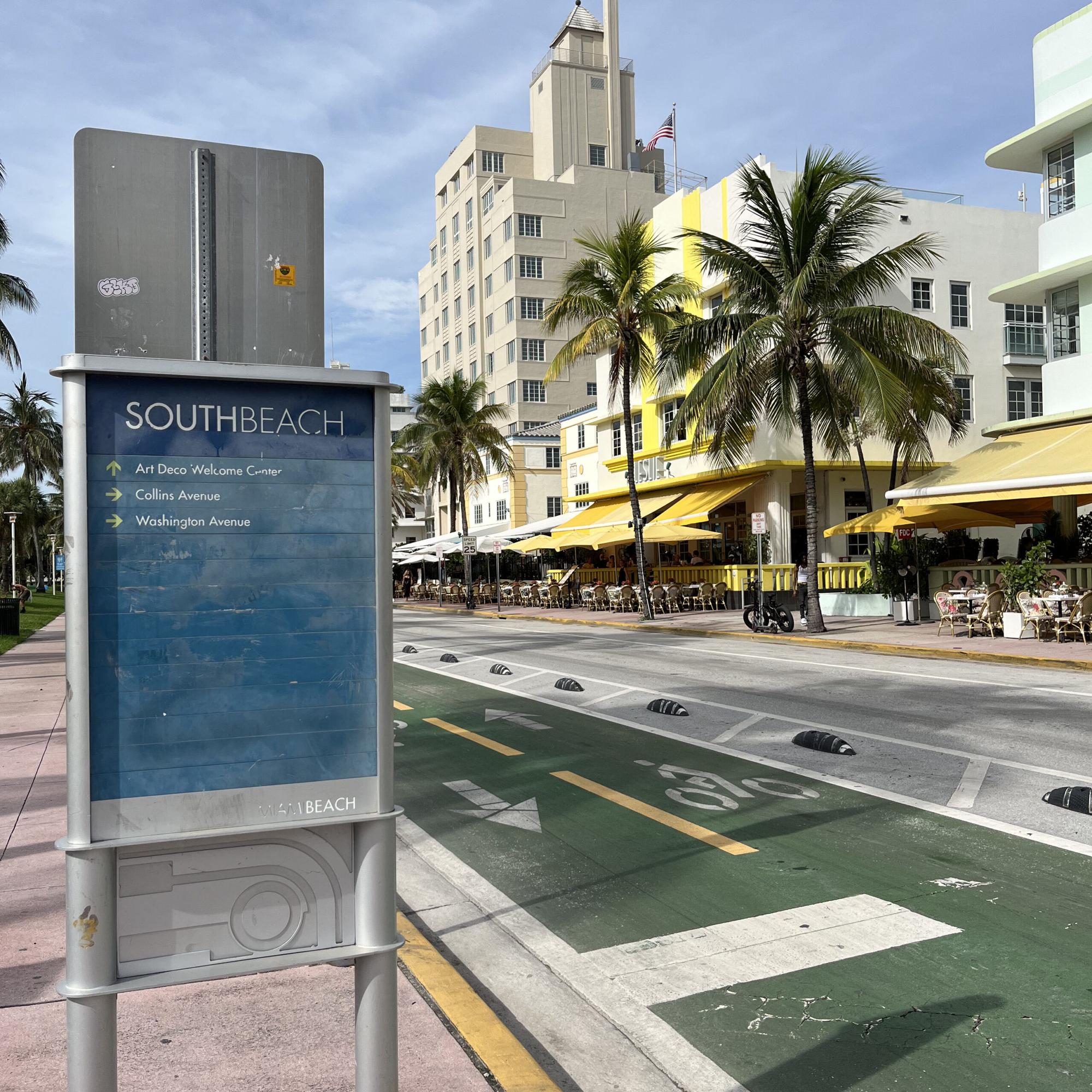
Miami Beach’s Cannabis Paradox: Growing Acceptance, Tightening Enforcement

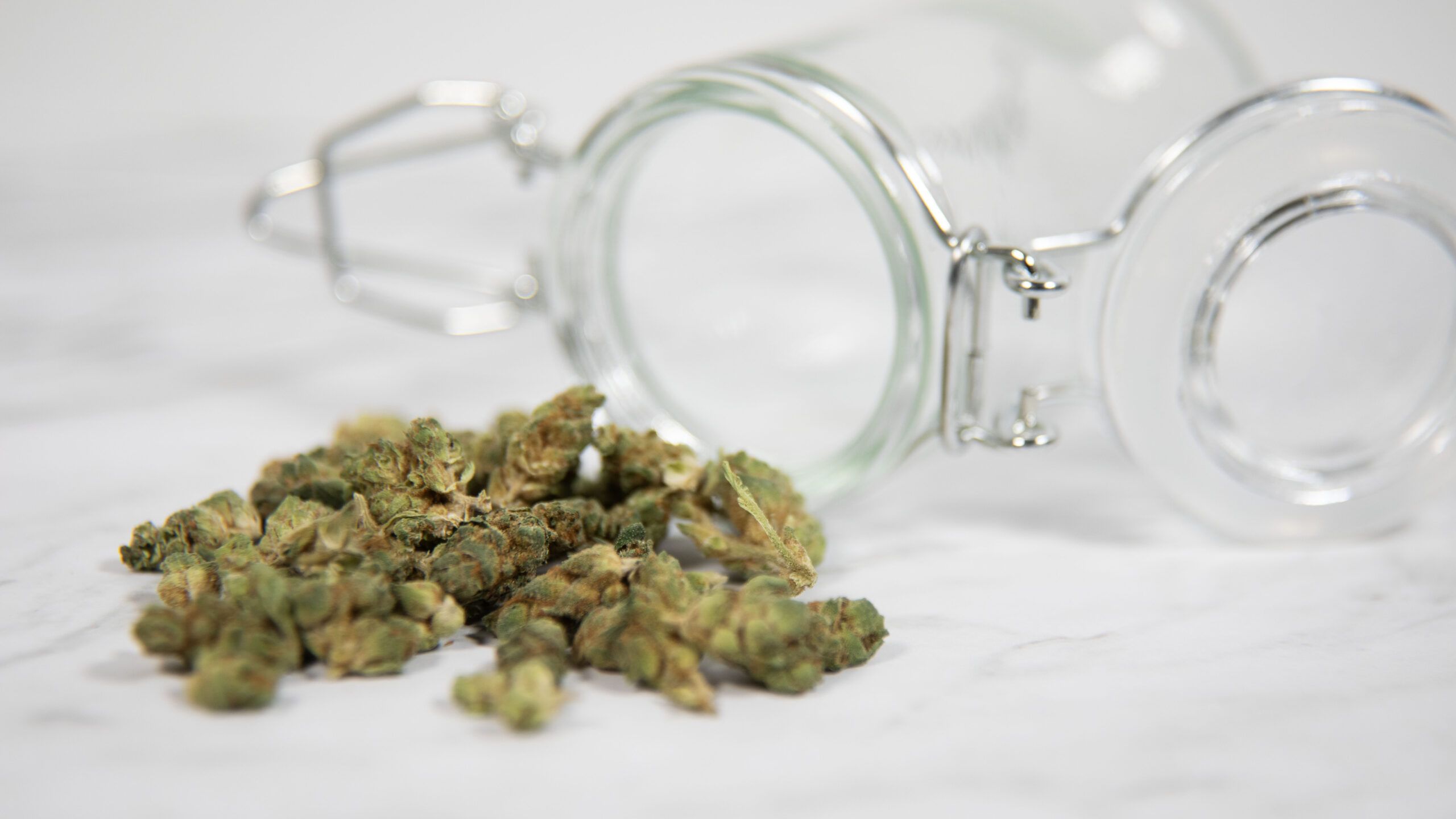
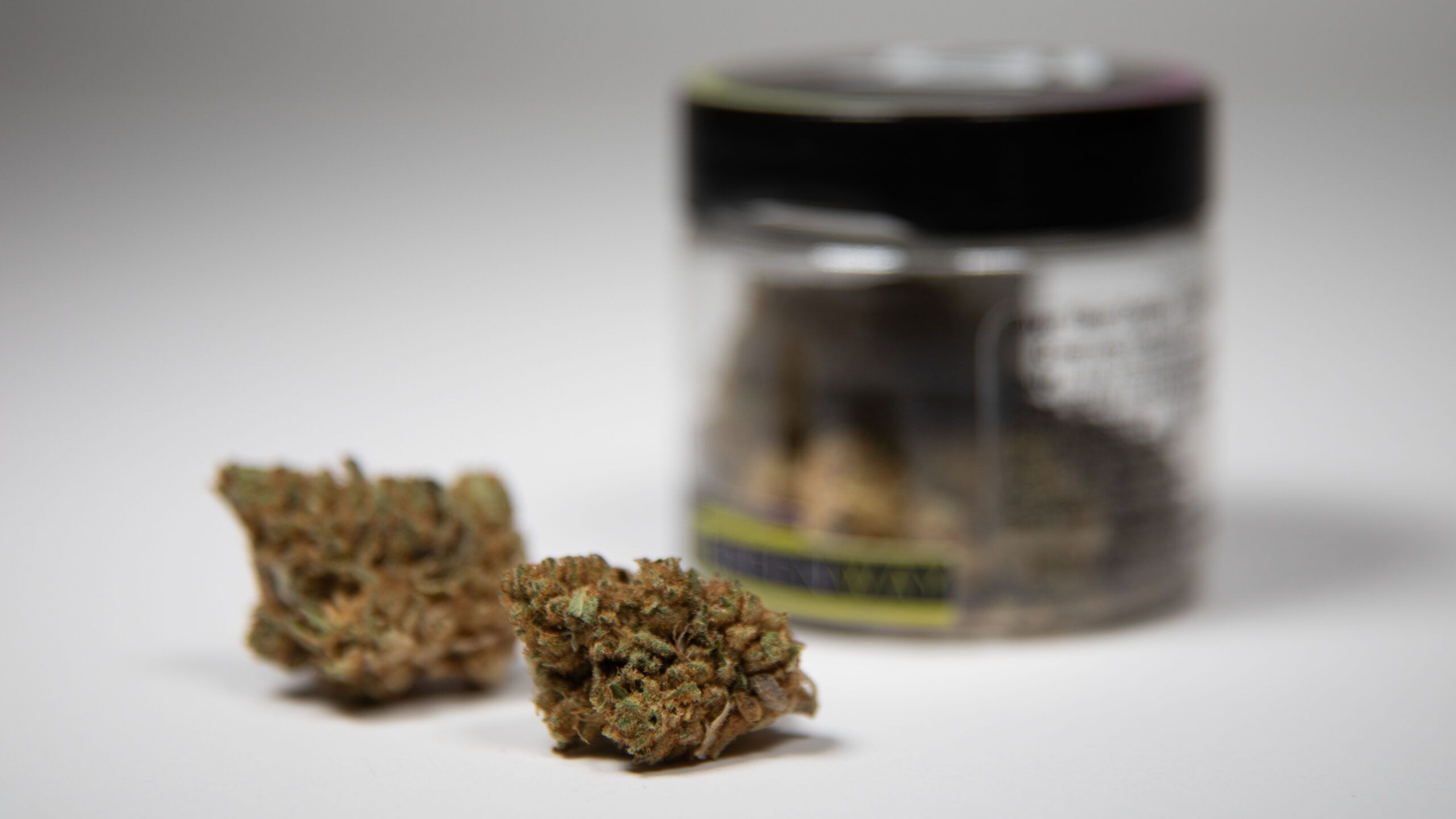
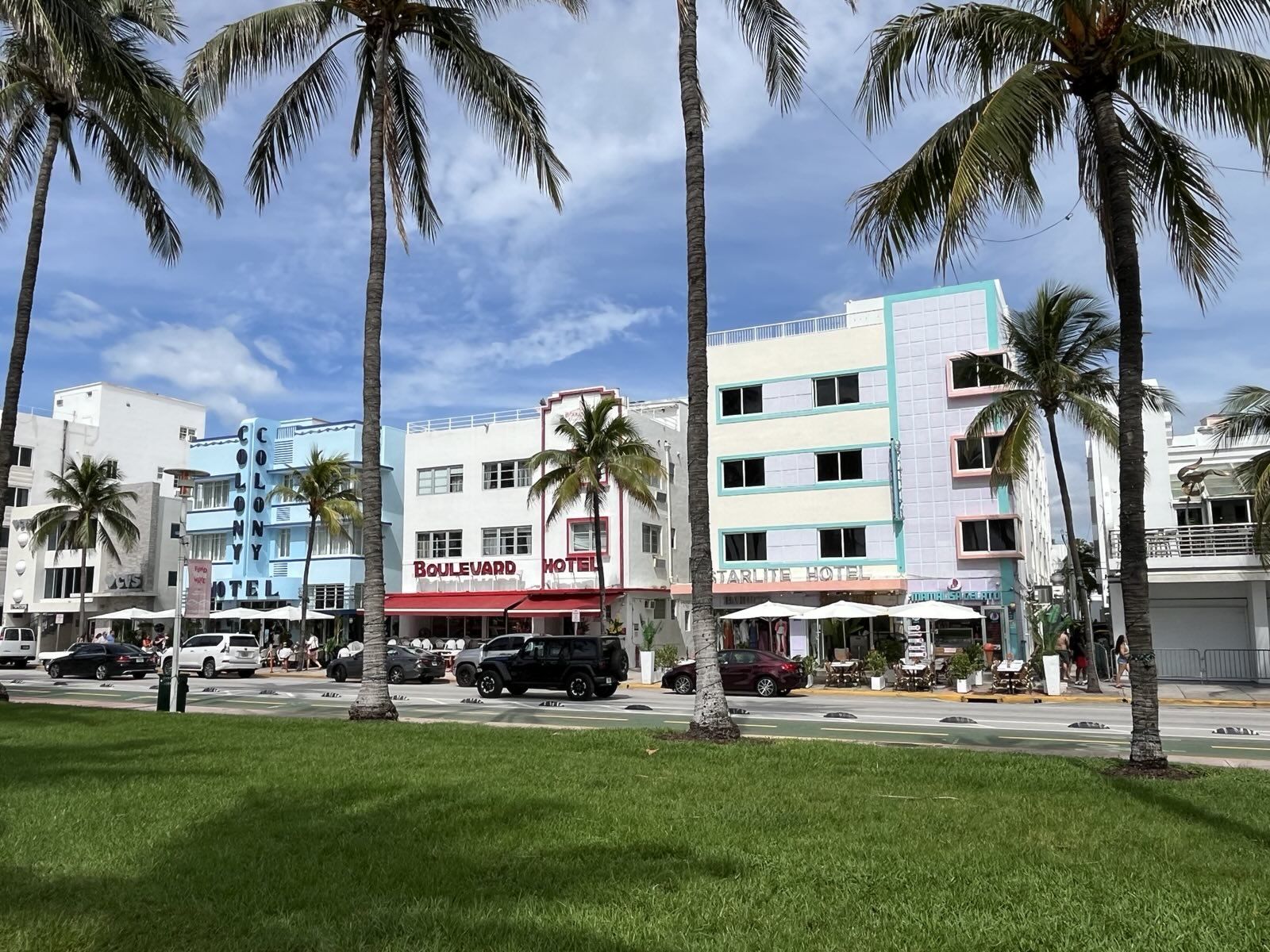
On Ocean Drive, marijuana has always lived in a strange spotlight—half lifestyle rumor, half legal liability. The strip’s identity has long been built on nightlife, celebrity, and tourism. Cannabis, by comparison, has moved through eras: from something people tried to keep discreet, to something many visitors assumed was “basically fine,” to today’s reality—where social acceptance has broadened, but rules and enforcement remain bluntly visible.

The shift began, in part, with policy trends that made minor possession less likely to end in a life-altering arrest in many places. Miami-Dade County adopted a civil citation option for small amounts of cannabis (a $100 fine) back in 2015—an approach meant to reduce low-level arrests while keeping marijuana illegal under state law. That broader regional softening helped fuel the perception among tourists that South Beach had “loosened up.”

But Miami Beach has repeatedly signaled that Ocean Drive is not the place to test assumptions—especially when it comes to smoking in public. Florida’s medical marijuana law is explicit that even qualified patients cannot use marijuana “in any public place” (with narrow exceptions that don’t cover smoking flower on the sidewalk). Miami Beach also advertises a simple message to visitors: public smoking on beaches or in parks is illegal, and “narcotics and marijuana” are treated as prohibited conduct.

Then came the local crackdowns that reshaped the “vibe” along Ocean Drive. Ahead of spring break 2024, Miami Beach’s City Commission voted to remove an optional civil-penalty pathway for small marijuana possession and paraphernalia—effectively pushing more cases back toward criminal enforcement choices. This wasn’t just paperwork. It was a values statement: leadership wanted fewer “gray areas” in the entertainment district during high-impact weekends.

That posture intensified with Miami Beach’s ongoing spring-break enforcement strategy—checkpoints, heavy police presence, and messaging designed to discourage party-first tourism. Ocean Drive is repeatedly identified as the epicenter of spring break activity, and city leaders have tied strict enforcement to public safety outcomes. Meanwhile, reporting has also highlighted how Miami Beach stands out within Miami-Dade for stricter marijuana enforcement compared with neighboring jurisdictions.

So, is there still a negative stigma? Socially, far less than a decade ago—especially in private settings. But on Ocean Drive itself, “acceptance” is conditional: people may be more cannabis-comfortable culturally, yet public consumption is still treated as a quality-of-life and policing issue, not a tolerated tourist ritual. In 2025, the practical reality is this: the stigma has faded in conversation, but it returns fast when smoke (or odor) becomes public, visible, and enforceable on Miami Beach’s most watched street.


Read More: CBD Spas, Hemp Shops, and Police Patrols: Cannabis’ Real Impact on Miami Beach Tourism