CBD Spas, Hemp Shops, and Police Patrols: Cannabis’ Real Impact on Miami Beach Tourism

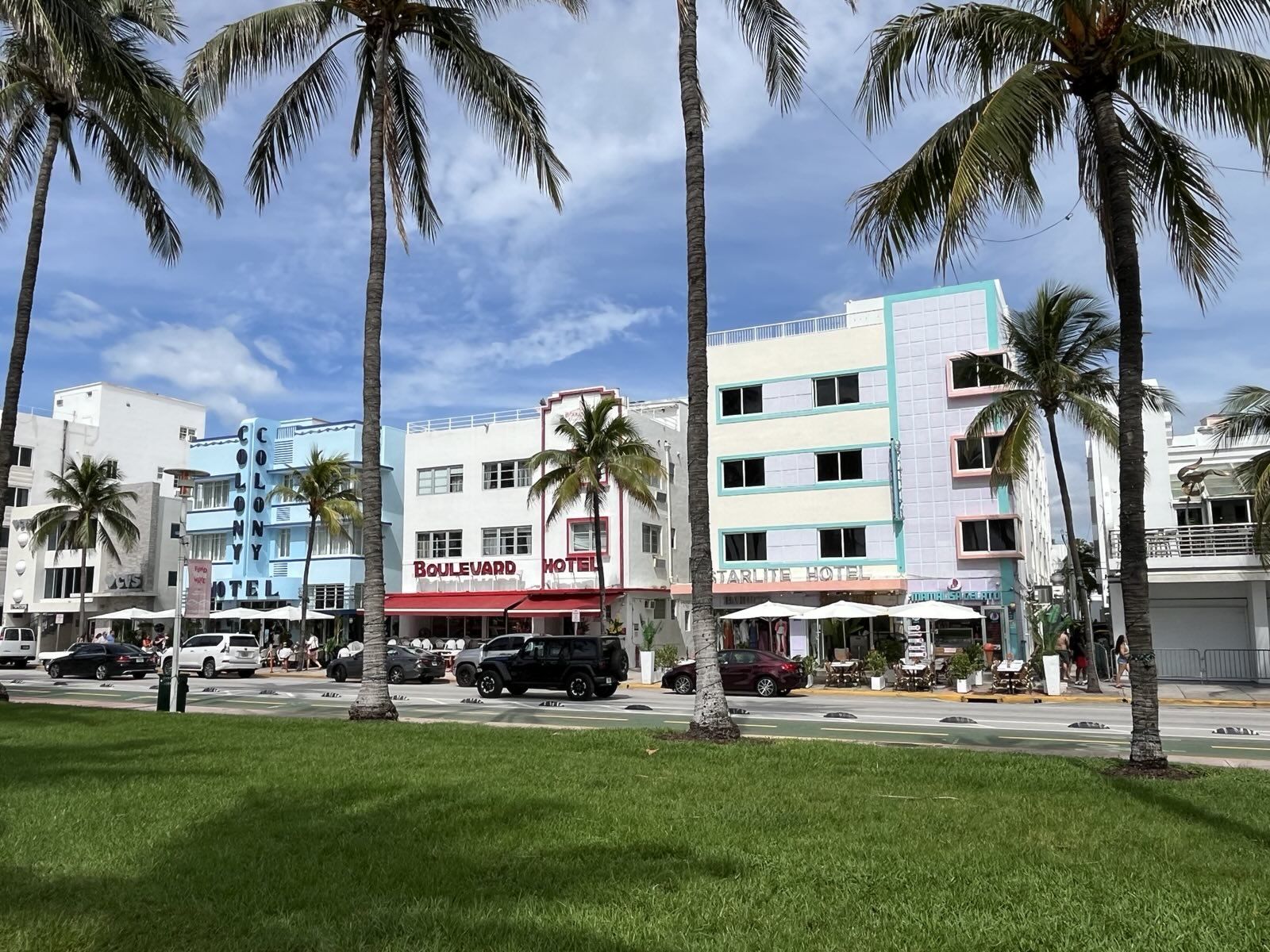
On Ocean Drive, cannabis has become part of the conversation—even when it’s not supposed to be part of the scene.

Miami Beach remains one of the world’s most photographed playgrounds, and tourism overall is booming. Miami-Dade continues to draw tens of millions of visitors annually, while Florida as a whole has posted record-breaking tourism numbers in recent years. With that kind of volume, even subtle shifts in visitor behavior—what people ask hotel concierges, what they browse on Washington Avenue, what they attempt on the beach—start to register as meaningful trends.

But here’s the catch: Florida is not an adult-use (recreational) cannabis state, and Miami Beach is not a destination where public consumption is quietly tolerated. Florida’s medical marijuana program is well established, yet state rules are clear that smoking cannabis in public spaces is prohibited. That legal reality shapes tourism in a distinctly Miami Beach way—less like a cannabis destination, and more like a city balancing curiosity with strict boundaries.

Trend 1: “Cannabis-curious” tourism shows up as wellness, not smoke

Visitors interested in cannabis are increasingly gravitating toward CBD and hemp-adjacent experiences. Wellness-oriented spas, sleep aids, recovery products, and topical options fit seamlessly into a beach vacation without crossing legal lines. This reflects broader national travel trends where wellness tourism is growing faster than nightlife-driven travel, and Miami Beach is adapting accordingly.

Trend 2: Confusion is common—and it’s changing visitor behavior

Ocean Drive draws a heavy mix of international travelers and visitors from states with legal adult-use cannabis. Many arrive assuming Miami Beach operates under similar norms. Instead, they encounter a city that emphasizes order, compliance, and visible enforcement—especially during high-traffic periods like Spring Break.

In recent seasons, Miami Beach officials have made a point of communicating expectations clearly, pairing tourism messaging with strong reminders about prohibited behavior. Cannabis often becomes part of this broader conversation about public conduct, noise, and crowd control. The result is a tourism environment where visitors are more cautious and more likely to keep cannabis-related activity private or avoid it altogether.

Trend 3: Enforcement itself becomes part of the “tourism vibe”

For some travelers—families, couples, convention attendees—visible policing and firm rules feel reassuring. For others seeking a freewheeling party atmosphere, the stricter tone can dampen the experience and push nightlife exploration elsewhere. Cannabis enforcement, while only one piece of the puzzle, reinforces the message that Ocean Drive is not a place for casual public experimentation.

What this adds up to on Ocean Drive

Cannabis has not overtaken tourism in Miami Beach, but it has subtly reshaped it. Growth is most visible in wellness-focused retail, hemp and CBD products, and discreet, compliant consumer behavior. At the same time, the city’s approach leaves little room for misinterpretation: on Ocean Drive, cannabis curiosity may exist—but public cannabis use does not belong in the postcard version of Miami Beach.


Read More: Miami Beach’s Cannabis Paradox: Growing Acceptance, Tightening Enforcement